“Lose a stone in two weeks.”
“Drop two dress sizes with this one pill.”
Headlines like these appear everywhere online. They promise quick results, but they usually ignore safety and long-term health. Most people who follow extreme plans regain the weight and often feel worse.
Healthy weight loss looks different. It is steady, supported and tailored to you. This guide explores what that means, how to set realistic goals and when to get professional help.
What does “healthy weight loss” mean?
Healthy weight loss improves your health, not just your appearance.
In practice, that means:
losing around 0.5–1 kg (1–2 lb) per week for most adults
eating a balanced, enjoyable diet rather than cutting everything out
moving your body regularly in a way that feels manageable
considering sleep, stress and daily habits alongside food and exercise
Crash diets might move the scales quickly, but they often lead to muscle loss, low mood and rebound weight gain. A slower, more consistent approach protects both body and mind.
Understanding weight and health risk
Clinicians often use measurements such as body mass index (BMI) and waist circumference to estimate health risks. These numbers help identify people who may benefit from extra support, especially if they also live with:
type 2 diabetes
high blood pressure
heart disease or high cholesterol
sleep apnoea
However, numbers do not tell the whole story. Your personal and family history, your mental health and your lifestyle matter as well. A conversation with a healthcare professional can put everything into context.
Laying the foundations: lifestyle first
Whether you ever use medical treatments or not, lifestyle changes form the foundation of healthy weight loss.
Food and eating patterns
Instead of aiming for “perfect” eating, focus on simple, consistent habits:
eat regular meals to avoid long gaps followed by overeating
base most meals on vegetables, wholegrains, lean proteins and healthy fats
serve food on moderately sized plates and pay attention to fullness cues
limit foods high in sugar, refined carbohydrates and saturated fat
watch liquid calories from sugary drinks and alcohol
Small tweaks, repeated daily, often work better than strict rules you cannot keep.
Movement and activity
You do not have to join a gym to benefit from activity.
start with what you can manage, such as 10-minute walks
gradually build towards at least 150 minutes of moderate-intensity activity a week if you are able
include muscle-strengthening activities, like carrying shopping or light resistance exercises, twice a week
look for chances to move more during the day: stairs, walking meetings, stretching breaks
Choose activities you enjoy; you are far more likely to stick with them.
Sleep and stress
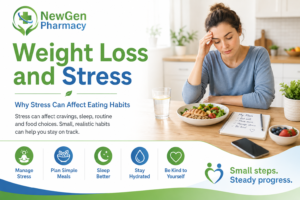
Sleep and stress can strongly influence appetite and cravings.
To support your efforts:
aim for a regular sleep schedule and a calming bedtime routine
limit screens and heavy meals close to bedtime
try stress-management tools that fit your life, such as breathing exercises, journalling or gentle exercise
seek help if you struggle with low mood, anxiety or emotional eating
Addressing these areas makes healthy choices feel more achievable.
Getting structured support
Many people find that external structure makes weight loss easier. Depending on where you live and your health status, you may be able to access:
local authority weight-management programmes, often 12-week courses
the NHS Digital Weight Management Programme for certain patients with obesity and diabetes or hypertension
online or app-based programmes that follow NHS guidance
specialist clinics with dietitians and other professionals
Pharmacists increasingly support these efforts by offering lifestyle advice, monitoring and signposting to local services.
When to consider medical treatments
For some people living with obesity and weight-related health problems, medical treatments may form part of a wider plan. These options can include certain weight-loss medicines or, in selected cases, bariatric surgery.
However, they:
never replace lifestyle changes
require a full medical assessment and ongoing monitoring
have clear eligibility criteria and potential side effects
involve shared decision-making between you and a clinician
Any discussion about medicines should happen with a qualified professional who understands your full medical history.
Weight-loss approaches to treat with caution
Some approaches do more harm than good. Be especially careful with:
products that promise very rapid weight loss with no changes to diet or activity
websites that sell strong medicines without a proper medical assessment
extremely restrictive diets that cut entire food groups without medical reasons
plans that tell you to avoid speaking to your GP or pharmacist
If a solution sounds too good to be true, it almost certainly is.
Staying motivated and handling setbacks
Real-life weight loss rarely follows a straight line. You may experience plateaus or temporary weight gain, especially during holidays, illness or stressful periods.
To stay motivated:
track behaviour goals, such as “cook at home three nights a week” or “walk 20 minutes daily”
notice non-scale victories like better sleep, improved energy, or reduced breathlessness
reflect on setbacks without judgment and identify what you can change next time
avoid comparing your journey to others; your body and circumstances are unique
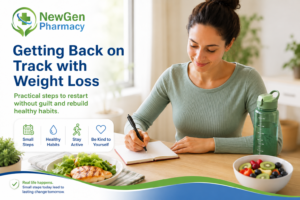
Progress, not perfection, leads to lasting change.
How Newgen Can Help
Newgen Pharmacy offers pharmacist-led weight-management support that focuses on your whole health, not just the scales. We:
review your health history, current medicines and personal goals
help you set realistic targets for weight, fitness and wellbeing
work with you to build a practical plan around food, movement, sleep and habits
monitor your progress and adjust your plan as life changes
advise when you should speak to your GP or a specialist about further options
Our approach aims for safe, steady and sustainable weight loss that fits your everyday life.
Book your consultation: https://newgenpharmacy.co.uk/
Questions? https://newgenpharmacy.co.uk/
Compliance note: We never promote prescription-only weight-loss medicines publicly. A clinician only discusses potential treatment options with you privately after an appropriate assessment, if they are safe and suitable.
Author & Content Writer: Dr.Naeem Aslam