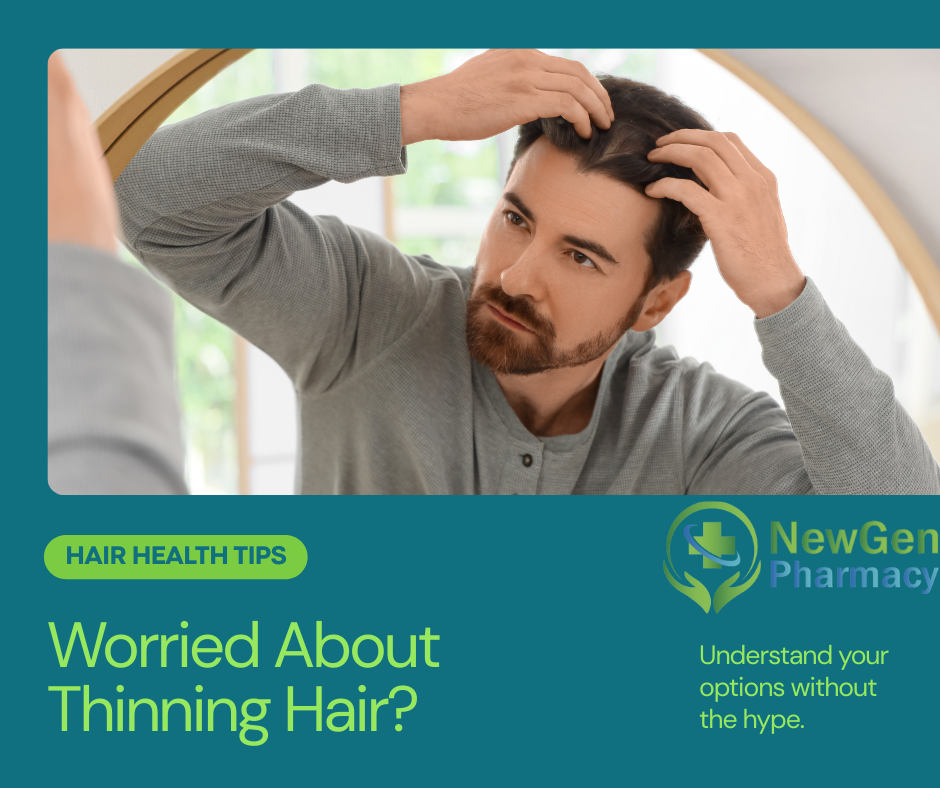
Noticing your hairline receding can feel unsettling. Seeing extra hair in the shower can be worrying. A thinning patch can also affect confidence.
The internet is full of shampoos, supplements and “miracle cures”. However, most are not backed by strong scientific evidence. So, this guide focuses on what is known to help, what might help, and when to seek professional advice.
As a doctor, my aim is to keep things clear. I also want to keep them safe and realistic.
The Most Common Cause: Male Pattern Baldness
What it is
For most men, gradual hair loss is due to androgenetic alopecia. It is also known as male pattern baldness. This is mainly genetic. It is also linked to sensitivity to the hormone dihydrotestosterone (DHT).
Typical features
Typical features include:
• A receding hairline at the temples
• Thinning at the crown
• Slow progression over several years
This pattern is extremely common. It is usually not a sign of illness. However, it can still be distressing. If it affects your confidence, it is reasonable to explore support.
If you are unsure about the pattern, seek a professional assessment. That can provide reassurance. It can also rule out other causes.
Other Causes of Hair Loss
Why it can happen
Genetics are the most common cause. Still, other medical factors can contribute. For example:
• Nutritional deficiencies (iron, vitamin D, zinc)
• Significant weight loss or severe illness
• Thyroid disorders or hormonal imbalance
• Stress or emotional trauma
• Certain medications
In other words, hair loss is not always “just genetic”. This is especially true if you have noticed other health changes.
When to See Your GP
Signs that need a check
You should see your GP if hair loss is:
• Sudden or rapidly worsening
• Patchy (round bald patches)
• Painful, itchy, red or linked to scalp symptoms
• Alongside weight changes, fatigue or other symptoms
These signs can suggest an underlying medical issue. Therefore, it is best to get checked sooner rather than later.
Daily Habits That Support Hair and Scalp Health
What lifestyle can and cannot do
Lifestyle measures cannot reverse genetic hair loss. However, they can support scalp health. They may also reduce avoidable shedding.
Helpful daily steps
• Maintain a balanced diet rich in protein, iron, zinc and vitamins
• Avoid tight hairstyles that pull on hair follicles
• Be gentle when brushing and drying
• Manage stress where possible
• Protect the scalp from sun exposure
Think of these steps as your foundation. They help whether or not you pursue medical treatment.
Licensed Treatment Options for Men’s Hair Loss
How access works in the UK
In the UK, treatments for male pattern hair loss may be available privately after a medical assessment. This is important for safety. It also helps make sure treatment is appropriate for you.
Main treatment approaches
Treatments broadly fall into two groups:
-
Oral medicines
These reduce the effect of DHT on hair follicles. As a result, they can slow further loss. Some men may also see regrowth. -
Topical solutions or foams
These are applied directly to the scalp. They work locally. They can stimulate growth in some men.
Important points to know
• Treatments work only while used consistently. If you stop, hair loss usually returns over time.
• Side effects are possible. Therefore, treatment is not suitable for everyone.
• Results vary. So, realistic expectations are essential.
• Never purchase tablets from unregulated websites.
Avoiding Unsafe Products Online
What to watch out for
Be cautious of:
• Websites selling tablets without consultation
• Unclear ingredient lists
• Dramatic before-and-after photos with no context
• Prices far lower than reputable pharmacies
Unregulated products can be ineffective. They can also be contaminated. In some cases, they can be harmful. Always use a GPhC-registered provider.
How a Pharmacy Can Help
Support you can expect
A pharmacy team can offer:
• Review of your symptoms, medical history and current medicines
• Advice on safe and realistic options after assessment
• Support with topical application techniques
• Guidance on when GP or specialist referral is needed
Sometimes, the most valuable first step is a confidential conversation. It can help you understand what is happening. It can also help you choose the next step.
How Newgen Can Help
At Newgen Pharmacy, we provide discreet, evidence-based support for men experiencing hair loss. Following an assessment, our clinicians can discuss suitable, licensed options where appropriate. We can also guide you on long-term scalp care.
Compliance note: We never advertise prescription-only medicines publicly. Any treatment discussions occur only after private clinical assessment.
Author & Content Writer: Dr Naeem Aslam