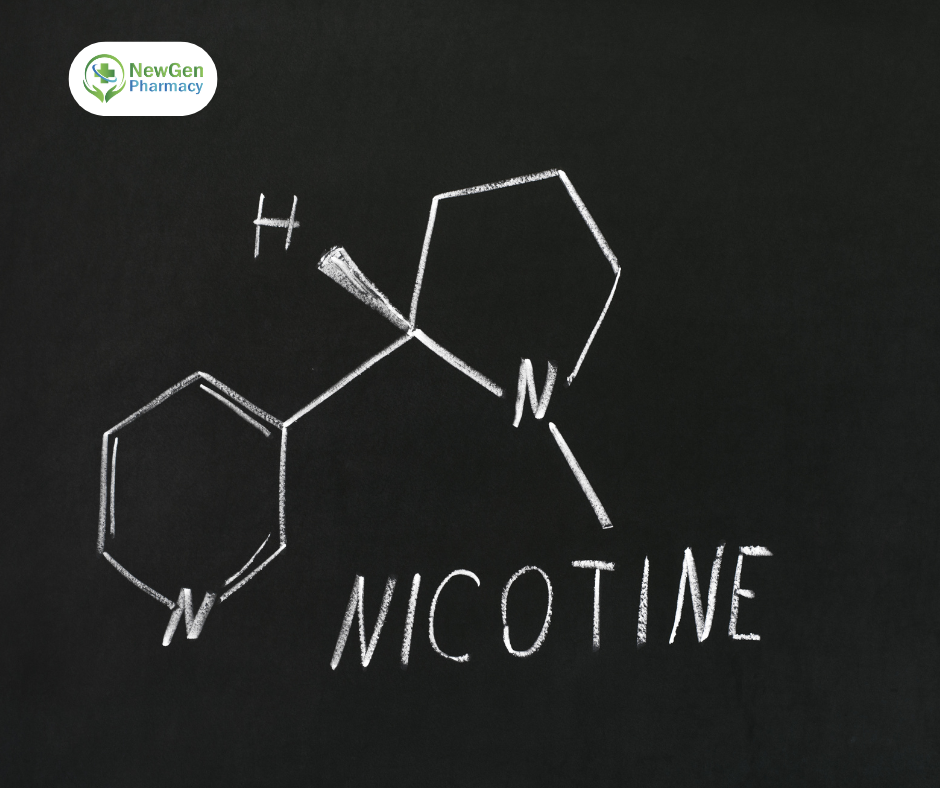
Nicotine addiction is one of the main reasons many people find it difficult to stop smoking. Nicotine is a chemical found in tobacco products such as cigarettes, cigars, and some vaping devices. When cigarette smoke is inhaled, nicotine quickly enters the bloodstream and reaches the brain within seconds.
Although nicotine itself is not responsible for most of the serious diseases linked to smoking, it is highly addictive. This addictive property makes it challenging for many people to quit smoking, even when they understand the potential health risks.
Nicotine affects the brain’s reward system, creating both physical and psychological dependence. With repeated exposure, the brain begins to associate nicotine with feelings of satisfaction or relief. Over time this can lead to cravings, withdrawal symptoms, and strong smoking habits.
Understanding how nicotine addiction works can help individuals recognise why quitting smoking may feel difficult and why support and professional guidance can be helpful.
What Is Nicotine?
Nicotine is a naturally occurring chemical found in tobacco plants. It belongs to a group of substances called stimulants, which affect the central nervous system.
When nicotine enters the body, it stimulates the release of certain chemicals in the brain that influence mood, alertness, and pleasure. One of the most important of these chemicals is dopamine.
Dopamine plays a key role in the brain’s reward and motivation systems. The release of dopamine can create temporary feelings of pleasure or relaxation. As a result, the brain may begin to associate smoking with reward.
Over time, this connection reinforces the habit and can make nicotine use more difficult to stop.
How Nicotine Reaches the Brain
When a cigarette is smoked, nicotine is absorbed through the lungs and enters the bloodstream.
From there, it travels rapidly to the brain. This process usually takes only a few seconds, which means the effects are almost immediate.
Once nicotine reaches the brain, it interacts with nicotinic receptors that influence:
-
Mood
-
Attention
-
Memory
-
Alertness
These interactions stimulate the release of dopamine and other neurotransmitters. The result can be temporary feelings of relaxation, improved focus, or mild stimulation.
Because these effects happen quickly, the brain may begin to reinforce smoking behaviour.
Why Nicotine Is Addictive
Nicotine addiction develops because repeated exposure changes how the brain responds to the substance.
Over time, the brain may begin to rely on nicotine to release dopamine. When nicotine levels fall, the brain signals a need for more nicotine to restore that reward response.
This process can lead to strong cravings, making it harder for individuals to stop smoking.
Another factor that contributes to addiction is tolerance. As the brain becomes used to nicotine, it may require larger or more frequent doses to achieve the same effect.
As a result, some people may gradually increase the number of cigarettes they smoke.
Physical Dependence on Nicotine
Physical dependence occurs when the body becomes accustomed to nicotine being present in the system.
If someone who regularly smokes suddenly stops using nicotine, the body may react with withdrawal symptoms as it adjusts.
Common nicotine withdrawal symptoms may include:
-
Strong cravings for cigarettes
-
Irritability or mood changes
-
Difficulty concentrating
-
Restlessness
-
Increased appetite
-
Sleep disturbances
Withdrawal symptoms can begin within hours of the last cigarette and may last for several weeks.
These symptoms are a normal part of the quitting process and usually improve as the body adjusts to functioning without nicotine.
Psychological and Behavioural Aspects of Smoking
Nicotine addiction is not purely physical. Smoking often becomes linked to daily habits, routines, and emotional situations.
For example, many people associate smoking with activities such as:
-
Drinking coffee in the morning
-
Taking breaks at work
-
Socialising with friends
-
Managing stress or anxiety
Over time, these situations can become behavioural triggers that reinforce smoking habits.
Even after withdrawal symptoms improve, these learned associations may still trigger cravings.
Recognising these patterns can help individuals develop strategies when trying to quit smoking.
The Role of Smoking Triggers
Triggers are situations or emotions that create the urge to smoke.
Common smoking triggers include:
-
Stressful situations
-
Social events
-
Drinking alcohol
-
Feeling bored
-
Seeing others smoke
Identifying personal triggers can help individuals prepare strategies to manage them.
For example, someone who usually smokes during work breaks may choose to take a short walk, drink water, or practise breathing exercises instead.
Developing new routines can help replace smoking habits over time.
How Long Nicotine Addiction Lasts
Nicotine addiction can develop quickly, sometimes within a relatively short period of regular smoking.
However, recovery from nicotine dependence is possible.
When someone stops smoking, the body begins to adjust fairly quickly:
-
Nicotine levels drop rapidly after the last cigarette
-
Within a few days, nicotine is largely cleared from the body
-
Withdrawal symptoms often peak during the first week
Over time, cravings usually become less frequent and easier to manage as new habits develop.
Why Support Can Help When Quitting Smoking
Quitting smoking involves overcoming both physical dependence and behavioural habits.
Many people find that having support can make the quitting process easier.
Support options may include:
-
Advice from healthcare professionals
-
Behavioural support programmes
-
Nicotine replacement therapies
-
Lifestyle strategies that help manage cravings
Using a combination of approaches can increase the chances of successfully stopping smoking.
Healthcare professionals can help individuals create personalised plans that address both the physical and behavioural aspects of nicotine addiction.
Health Improvements After Quitting Smoking
Although quitting smoking can be challenging, stopping smoking brings many health benefits.
Once smoking stops, the body gradually begins to repair itself.
Potential improvements may include:
-
Improved circulation
-
Better lung function
-
Reduced risk of heart disease
-
Lower risk of lung disease and certain cancers
-
Increased energy levels
The earlier someone quits smoking, the greater the potential long-term health benefits.
How NewGen Pharmacy Can Help
At NewGen Pharmacy, we understand that quitting smoking can feel difficult. Our pharmacists provide confidential, judgement-free advice to support people who want to stop smoking.
Our pharmacists can:
-
Explain how nicotine addiction works
-
Discuss available support options for quitting smoking
-
Help you understand different smoking cessation tools
-
Signpost services that provide quit smoking support in the UK
Book your consultation:
https://newgenpharmacy.co.uk/
Questions?
https://newgenpharmacy.co.uk/
Compliance Note
We never promote prescription-only medicines publicly. A clinician will only discuss potential treatment options privately following an appropriate medical assessment where safe and suitable.
Author & Content Writer: Dr.Naeem Aslam