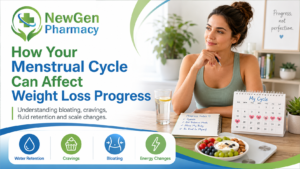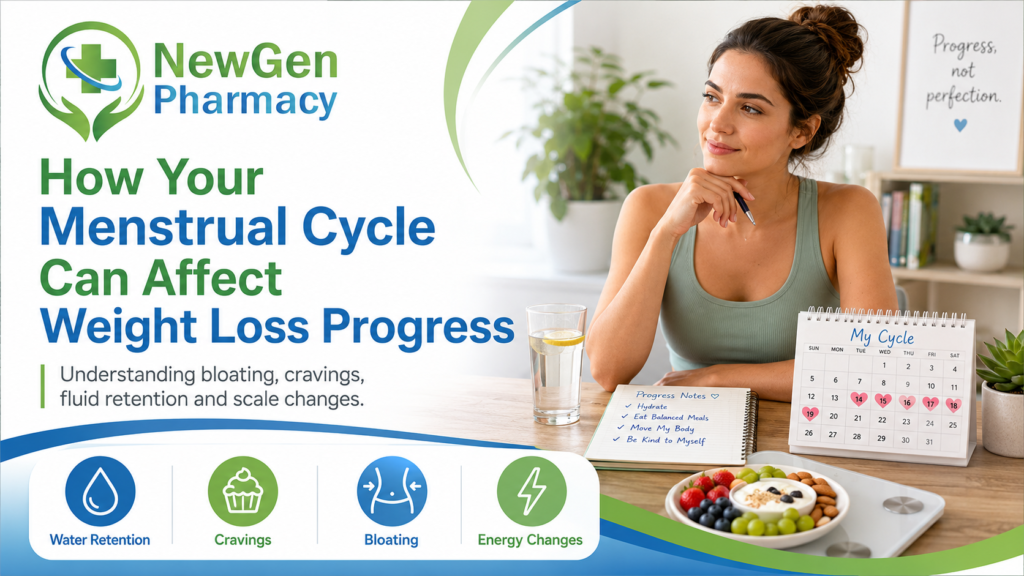
Weight loss progress can feel frustrating when the scale changes from one week to the next. This can feel even more confusing if your weight rises before your period, your appetite changes, or cravings feel stronger at certain times of the month.
These changes are common. The menstrual cycle can affect fluid balance, bloating, digestion, appetite, mood, sleep, energy and food choices. Because of this, body weight can fluctuate even when your long-term habits are moving in the right direction.
A higher weigh-in before or during your period does not always mean you have gained body fat. It may reflect water retention, constipation, bloating, salt intake, food volume, hormonal changes or changes in activity.
The NHS explains that premenstrual syndrome symptoms can include physical, emotional and behavioural changes before a period. NICE also provides clinical guidance on premenstrual syndrome, including symptoms such as bloating, breast pain, mood changes and appetite changes. For patients in midlife, NHS information about menopause and perimenopause symptoms can also help explain changes in periods, sleep, mood and body symptoms.
If your weight changes around your period, NewGen Pharmacy’s article on tracking progress without obsessing may help you look at progress in a calmer and more balanced way.
Why Weight Can Change During the Menstrual Cycle
The menstrual cycle can affect weight in several ways. Hormone changes across the month may influence fluid retention, appetite, digestion, mood and energy.
Many people notice that weight rises slightly before a period starts. Others notice bloating, breast tenderness, constipation, cravings or tiredness. These symptoms can make the body feel heavier, even if fat loss has not stopped.
Fluid changes can also affect the scale. A salty meal, poor sleep, stress or constipation can add to this effect.
This is why one weigh-in does not always tell the full story. A single number may reflect short-term body changes rather than true progress.
A better approach is to track trends over several weeks and compare similar points in your cycle where possible.
Period Weight Gain Is Often Temporary
Period weight gain is often temporary. For many people, it improves once the period starts or after it finishes.
This does not mean the symptoms are imaginary. Bloating, fullness and heaviness can feel very real. However, these changes often reflect water retention, digestion changes and hormonal shifts rather than fat gain.
To gain body fat, the body needs a consistent energy surplus over time. A sudden increase on the scale over a day or two is more likely to involve fluid, food volume or bowel changes.
Understanding this can reduce panic. It can also prevent unhelpful reactions such as skipping meals, cutting food too aggressively or giving up on your plan.
Instead of reacting to one reading, look at the wider pattern.
Why Appetite and Cravings May Increase
Many people notice stronger appetite or cravings before their period. These changes can feel difficult, especially if you are trying to follow a weight management plan.
Cravings may involve sweet foods, salty snacks, chocolate, bread, takeaways or larger portions. Some people also feel less satisfied after meals.
This does not mean you lack willpower. Hormonal changes, mood changes, tiredness, stress and sleep disruption can all affect appetite.
A practical plan can help. Eating regular meals with protein and fibre may reduce extreme hunger. Planned snacks may also help if cravings usually lead to unplanned eating.
NewGen Pharmacy’s article on emotional eating may help if cravings feel linked with stress, mood or comfort eating.
Bloating and Water Retention
Bloating is common before or during a period. It can make clothes feel tighter and may increase waist measurement temporarily.
Water retention can also make the scale rise. This may happen even if your eating pattern has not changed much.
Salt intake may add to this. So can alcohol, poor sleep, constipation and stress.
Drinking enough fluids may help. It may sound surprising, but low fluid intake can worsen constipation and make bloating feel more uncomfortable.
Gentle movement may also help some people feel better. Walking, stretching or light activity can support digestion and mood.
If bloating is severe, painful, persistent or very unusual for you, speak to a GP or healthcare professional.
Constipation and Digestion Changes
Some people notice constipation before or during their period. Others may have looser stools or digestive discomfort.
Constipation can affect the scale because food and waste remain in the digestive system for longer. This can make weight appear higher for a short time.
It can also make you feel more bloated and uncomfortable.
Helpful steps may include drinking enough fluids, including fibre-rich foods, moving gently and keeping regular meals where possible.
Fibre-rich foods include oats, vegetables, fruit, wholegrain bread, beans, lentils and potatoes with the skin on.
If constipation is severe, painful, linked with vomiting, blood in stools, fever or feeling seriously unwell, seek medical advice.
Why Energy Levels Can Drop
Tiredness before or during a period can affect weight management. When energy is low, cooking, walking, exercising and planning meals can feel harder.
This can lead to more convenience foods, larger portions or less movement. It may also make cravings feel stronger.
Rest matters during this time. A weight management plan should not expect the same energy level every day of the month.
A flexible approach can help. You may choose lighter movement, simpler meals or easier food preparation during the days when symptoms feel stronger.
For example, you might keep soup, yoghurt, eggs, fruit, wraps, cooked chicken or frozen vegetables available. These foods can help you avoid relying only on takeaways when energy is low.
Mood Changes and Eating Patterns
Mood changes can affect eating. Some people feel more anxious, low, irritable or emotional before their period.
These feelings can make food choices harder. Comfort foods may feel more appealing, especially during stress or tiredness.
A planned approach can reduce guilt. You can include foods you enjoy without turning one craving into a whole day of unplanned eating.
For example, if you want chocolate, a planned portion after a balanced meal may feel more controlled than avoiding it all day and then eating more than planned later.
The goal is not perfection. The goal is to reduce all-or-nothing thinking and return to routine gently.
Why Results Vary From Person to Person
Cycle-related weight changes are different for everyone. Some people see a clear pattern every month. Others notice only small changes. Some people have irregular cycles, hormonal contraception, perimenopause, PCOS or medical conditions that make patterns less predictable.
Your starting weight, sleep, stress, medicines, activity, eating habits and medical history can also affect progress.
NewGen Pharmacy’s article on why results vary explains why weight loss does not look the same for everyone.
Try not to compare your progress with someone else’s. Your body, cycle and health history are individual.
Your own trend over time matters more than another person’s weekly result.
Tracking Progress Without Obsessing
Cycle-related weight changes can make daily weighing stressful. A normal temporary rise may feel like failure, even when your habits are still strong.
A more balanced tracking routine may help. You could weigh once per week, measure your waist every few weeks, track clothing fit, or note energy and appetite changes.
Some people find it useful to track weight alongside cycle timing. This helps them notice repeated patterns. For example, you may learn that weight often rises a few days before your period and settles later.
This can reduce anxiety because the change becomes predictable.
NewGen Pharmacy’s guide to tracking progress without obsessing gives practical ways to monitor progress without letting the scale control your mood.
Compare Similar Points in Your Cycle
If your cycle is regular, comparing similar points can be more helpful than comparing random dates.
For example, compare your weight in week one of one cycle with week one of the next cycle. This may show a clearer trend than comparing a pre-period weigh-in with a post-period weigh-in.
This approach is not perfect, but it can reduce confusion.
If your cycles are irregular, look at longer trends over four to eight weeks. A single week may not show enough information.
Try to avoid making major changes based on one high reading before your period. Wait for the pattern to become clearer.
Adjust Your Plan Around Your Cycle
A flexible plan may work better than expecting the same routine every day.
Before your period, you may need more structure around meals and snacks. Balanced meals with protein, fibre and fluids may help reduce extreme hunger.
During days when energy is low, simpler meals may work better than complicated recipes.
Gentle movement may feel more realistic than intense workouts. Walking, stretching or light strength exercises may still support mood and digestion.
After your period, you may feel more energetic and motivated. This may be a good time to meal plan, increase activity or review goals.
Working with your cycle can feel more supportive than fighting against it.
Food Choices That May Help
Food does not remove every cycle symptom, but balanced meals can support energy, appetite and digestion.
Try to include protein regularly. Options include eggs, fish, chicken, Greek yoghurt, cottage cheese, tofu, beans, lentils and chickpeas.
Fibre can support fullness and bowel habits. Good options include vegetables, fruit, oats, wholegrains, beans, lentils and potatoes with the skin on.
Fluids matter too. Hydration can support digestion, concentration and energy.
If cravings are common, plan satisfying snacks. Fruit with yoghurt, wholegrain toast, soup, eggs, hummus with vegetables or a small portion of chocolate after a meal may feel more manageable than strict avoidance.
The aim is not to eat perfectly. The aim is to support your body and avoid extreme hunger.
Movement During Your Period
Movement can help some people with mood, energy and digestion. However, the right level of activity depends on how you feel.
Some days may suit normal exercise. Other days may call for lighter movement or rest.
Walking, gentle stretching, yoga, cycling or light resistance exercises may help if symptoms are mild. If pain or bleeding is heavy, rest may be more appropriate.
Do not force intense exercise if you feel unwell. A healthy plan should allow for normal body changes.
If period pain is severe, periods are very heavy, or symptoms affect daily life, speak to a GP or healthcare professional.
Menstrual Cycles During Weight Loss Treatment
If you use weight loss treatment, cycle-related changes can still happen. Treatment does not stop normal hormonal fluctuations.
You may still notice water retention, cravings, appetite changes, bloating or constipation around your period.
This can make progress feel confusing. You may feel that treatment has stopped working, when the scale may simply reflect normal cycle changes.
Do not change your dose or restart treatment based only on a short-term weight fluctuation. Speak to the pharmacy or prescriber if you are unsure.
NewGen Pharmacy’s weight management consultation page explains how pharmacist-led support can help suitable patients review progress, side effects and realistic expectations.
Menopause and Midlife Weight Changes
Periods can change during perimenopause. Cycles may become irregular, symptoms may shift, and weight changes can feel harder to understand.
Perimenopause and menopause can affect sleep, mood, body composition, appetite and where weight is carried. This can make tracking more complicated.
If your periods have changed, or you notice hot flushes, night sweats, mood changes, sleep problems or vaginal dryness, it may help to speak to a GP or healthcare professional.
NewGen Pharmacy’s article on menopause and midlife weight changes explains how hormonal changes in midlife may affect weight management.
When Weight Changes Need Medical Advice
Most cycle-related weight changes are temporary, but some symptoms need medical review.
Speak to a GP or healthcare professional if your periods become very heavy, very painful, irregular in a new way, or stop without an obvious reason.
You should also seek advice if you have bleeding between periods, bleeding after sex, pelvic pain, symptoms of pregnancy, sudden unexplained weight change, severe bloating, or symptoms that worry you.
If you have PCOS, thyroid disease, diabetes, eating disorder history or another long-term condition, you may need more personalised weight management advice.
Weight tracking should not replace medical care when symptoms change.
Avoid All-or-Nothing Thinking
Cycle-related fluctuations can trigger frustration. You may feel you have worked hard and still gained weight.
Try not to let one reading change your whole plan. A short-term rise before your period does not mean failure.
Avoid skipping meals, cutting food aggressively or punishing yourself with exercise. These reactions can increase hunger and make the next few days harder.
A better response is to return to steady habits. Drink fluids, eat balanced meals, move gently if you can, and sleep as well as possible.
Consistency matters more than perfect control.
Practical Tips for Cycle-Related Fluctuations
A few simple steps may help you manage cycle-related weight changes:
- Track your cycle if useful.
- Compare similar points in your cycle.
- Avoid judging progress from one weigh-in.
- Plan balanced meals before cravings usually start.
- Include protein and fibre at meals.
- Drink enough fluids.
- Keep simple meals ready for low-energy days.
- Use gentle movement when symptoms allow.
- Avoid strict restriction after a higher weigh-in.
- Seek advice if symptoms are severe or unusual.
These steps can reduce frustration and help you stay consistent.
How NewGen Pharmacy Can Help
NewGen Pharmacy offers confidential weight management support where appropriate after clinical assessment.
Our pharmacy team can help patients understand weight fluctuations, menstrual cycle patterns, appetite changes, cravings, treatment expectations and when symptoms need further review.
Our pharmacists and clinicians can support patients with realistic weight management advice, progress tracking, side-effect guidance, lifestyle support and signposting where GP or urgent care may be needed.
If you want support, NewGen Pharmacy’s weight management consultation page explains how pharmacist-led advice may help.
You can also learn more about online consultations or contact NewGen Pharmacy if you have questions about services or next steps.
Frequently Asked Questions
Can your period make you gain weight?
Your weight may rise temporarily before or during your period because of water retention, bloating, constipation, food volume and hormonal changes. This does not always mean body fat has increased.
Why do I weigh more before my period?
Hormone changes can affect fluid balance, digestion, appetite and cravings. These changes may increase scale weight for a short time.
How long does period weight gain last?
For many people, the temporary increase improves once the period starts or after it finishes. The pattern varies from person to person.
Should I weigh myself during my period?
You can, but it may not give the clearest picture. Weekly trends or comparing similar points in your cycle may be more helpful.
Why do cravings get worse before my period?
Hormonal changes, tiredness, mood changes and poor sleep can affect appetite and cravings. Planning balanced meals and snacks may help.
Can menstrual cycles cause weight loss plateaus?
Cycle-related water retention and bloating can make it look like progress has stopped for a short time. Longer trends give a better picture.
Does weight loss treatment stop cycle-related fluctuations?
No. Normal hormonal changes can still affect water retention, appetite, digestion and weight readings during treatment.
What should I do if my weight rises before my period?
Avoid panic. Continue balanced meals, hydration, sleep and gentle movement. Review the trend after your period rather than reacting to one reading.
When should I seek medical advice?
Seek advice if periods become very heavy, very painful, irregular in a new way, or if you have pelvic pain, bleeding between periods, sudden weight changes or symptoms that worry you.
Can perimenopause affect weight loss progress?
Yes. Perimenopause can affect sleep, mood, appetite, body composition and periods. Support may help if midlife changes are making progress harder.
Final Thoughts
Weight loss and menstrual cycles can interact in frustrating ways. A higher scale reading before your period does not always mean fat gain or failure.
Water retention, bloating, digestion changes, cravings, sleep and mood can all affect progress from week to week.
A calmer approach can help. Track trends, compare similar points in your cycle, plan for cravings and avoid punishing yourself after normal fluctuations.
NewGen Pharmacy can help patients understand realistic weight management progress and build a plan that supports both physical and emotional wellbeing.
Compliance note: This article provides general information only. It does not replace medical diagnosis or personalised advice. Patients with severe pain, heavy bleeding, pregnancy concerns, sudden unexplained weight changes, or symptoms that feel unusual should seek GP, NHS 111, sexual health, gynaecology or urgent care support as appropriate. Prescription treatment can only be discussed privately after an appropriate consultation and only where it is safe, lawful and clinically suitable.
Author & Content Writer: Dr Naeem Aslam