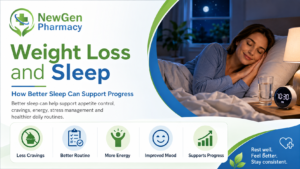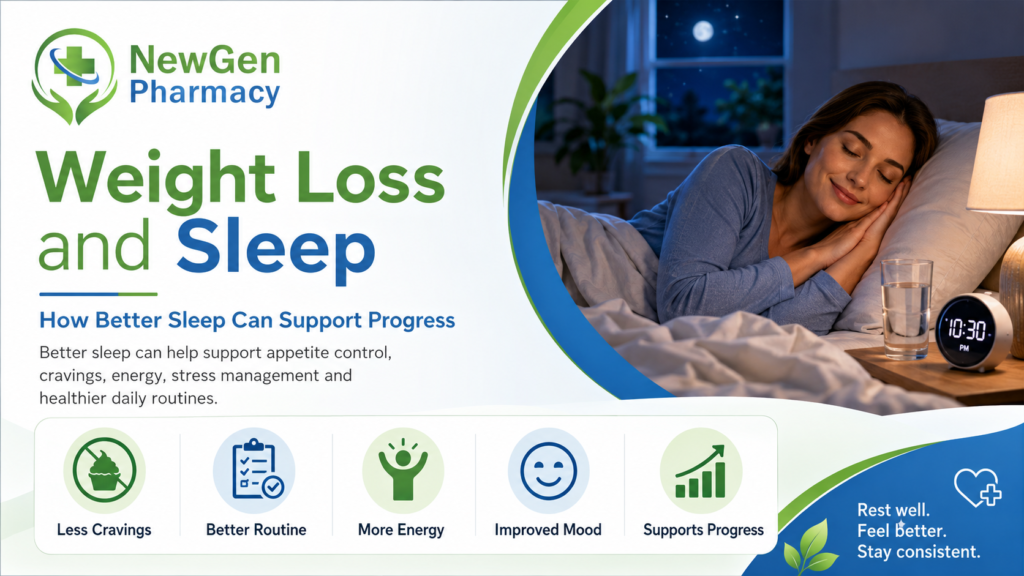
Sleep can affect weight loss progress more than many people realise. Poor sleep may increase hunger, cravings, tiredness, stress, emotional eating and night-time snacking. It can also reduce energy for movement, meal planning and everyday routines.
This does not mean sleep alone causes weight gain or weight loss. Weight management depends on many factors, including food choices, activity, medical history, medicines, stress, hormones, alcohol, daily routine and sleep quality.
However, better sleep can make healthy habits easier to maintain. When you feel rested, it may be easier to prepare balanced meals, drink enough fluids, go for a walk, manage cravings and respond calmly to stress.
The NHS provides practical guidance on sleep and tiredness, including common causes of tiredness and advice on improving sleep habits. The NHS Better Health weight loss guidance also supports realistic lifestyle changes that people can maintain over time. NHS Inform advises people trying to lose weight safely to prioritise sleep and manage stress as part of a balanced approach.
If sleep is affecting your routine, NewGen Pharmacy’s article on lifestyle changes that support treatment may help you understand how sleep, food, activity and stress work together.
Why Sleep Matters During Weight Loss
Sleep affects how you feel during the day. A poor night can make ordinary decisions feel harder. You may feel more hungry, less motivated and more likely to choose quick foods.
This can affect weight management. If you are tired, you may skip breakfast, snack more, drink more caffeine, order takeaway food or avoid exercise. These choices can happen even when you have good intentions.
Sleep also affects routine. Late nights can lead to late mornings, missed meals and less planning. A disrupted routine can make balanced eating harder.
Better sleep does not need to be perfect. Even small improvements can help you feel more in control of your day.
Poor Sleep Can Increase Hunger
Many people notice that they feel hungrier after a bad night’s sleep. This may happen because tiredness affects appetite signals, food choices and motivation.
When you feel tired, your body may seek quick energy. Sugary snacks, crisps, pastries, chocolate, large portions or takeaway foods may feel more tempting.
A tired brain also finds it harder to pause and make planned choices. This can make cravings feel stronger and harder to ignore.
The goal is not to blame yourself for feeling hungry after poor sleep. The goal is to recognise the pattern and plan for it.
For example, if you sleep badly, aim for a simple balanced breakfast, drink water and keep an easy lunch ready. This can reduce the chance of a difficult morning turning into a difficult whole day.
Sleep and Cravings
Cravings can become stronger when sleep is poor. You may crave foods that are sweet, salty, high in fat or easy to eat quickly.
These cravings may feel like hunger, but they may actually be linked to tiredness, stress or low energy.
A helpful first step is to pause and ask what your body needs. Are you hungry, tired, thirsty, stressed or bored? Would a balanced snack help, or do you need rest and a break?
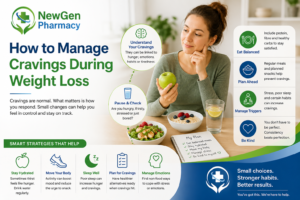
If cravings are common, balanced meals can help. Include protein, fibre-rich carbohydrates, vegetables or fruit and fluids across the day.
NewGen Pharmacy’s article on emotional eating may help if cravings are linked with stress, mood, comfort or reward.
Poor Sleep Can Lead to Night-Time Snacking
Poor sleep and night-time snacking often link together. Some people stay awake later and have more time to snack. Others wake during the night and eat because they feel restless, bored or stressed.
Evening tiredness can also reduce self-control. After a long day, the brain may look for comfort or reward.
Night-time eating is not always a problem. A planned snack can fit into a healthy routine. The issue is usually unplanned grazing, large portions or eating when tired rather than hungry.
A better evening routine may help. You could plan dinner, prepare one balanced snack if needed, make a warm drink, brush your teeth after eating, and reduce screen time before bed.
NewGen Pharmacy’s article on night-time snacking gives practical steps for building a calmer evening routine.
Sleep, Stress and Emotional Eating
Poor sleep can make stress harder to manage. When you are tired, small problems may feel bigger. This can affect mood, patience and food choices.
Stress and tiredness can also increase emotional eating. Food may feel like a quick comfort after a hard day or poor night.
This does not mean you lack willpower. Emotional eating is often a coping pattern. It can be influenced by routine, sleep, stress, hunger and environment.
A supportive approach works better than shame. Try to identify the trigger. Are you eating because you are hungry, or because you need rest, comfort, connection or a break?
If emotional eating happens often, plan simple non-food coping tools. These might include a short walk, breathing exercise, shower, journal, music, talking to someone or going to bed earlier.
Sleep and Energy for Movement
Exercise can feel much harder after poor sleep. You may feel too tired for a gym session, walk or home workout.
This can affect weight management because regular movement supports health, mood, sleep, strength and energy use.
You do not need intense exercise after a bad night. Gentle movement may be enough. A short walk, stretching, light cycling or simple housework can help maintain routine without pushing too hard.
If you slept badly, choose a realistic activity. A ten-minute walk is better than doing nothing because the full workout feels impossible.
Better sleep may also make movement easier the next day. Over time, this can support consistency.
Sleep and Meal Planning
Meal planning often suffers when sleep is poor. Tired people usually want quick solutions. This may lead to skipped meals, high-calorie snacks or last-minute takeaways.
Planning ahead can reduce this risk. Keep simple meals available for days when you are tired.
Useful options may include eggs, soup, beans on wholegrain toast, Greek yoghurt with oats and fruit, tuna jacket potatoes, lentil dhal, frozen vegetables, cooked chicken, or wholegrain wraps.
A simple plan is often enough. You do not need perfect meals. You need food options that help you avoid being hungry, tired and unprepared at the same time.
Good sleep supports better planning, but good planning also protects you when sleep is poor.
Caffeine, Sleep and Weight Loss
Caffeine can help you feel more alert, but it can also affect sleep if you have it too late in the day.
Coffee, tea, energy drinks, cola, pre-workout drinks and some supplements may contain caffeine. Some people are more sensitive than others.
If sleep is poor, review your caffeine timing. You might avoid caffeine later in the afternoon or evening. You could also reduce large coffees, energy drinks or high-caffeine products.
Be careful with sugary coffee drinks too. Syrups, cream and sugar can add calories quickly.
You do not need to stop caffeine completely unless advised. The aim is to notice whether it affects your sleep, appetite or daily routine.
Alcohol, Sleep and Weight Loss
Alcohol can make some people feel sleepy, but it can reduce sleep quality and make the night less restful.
Drinking may also increase appetite, lower inhibition and make snacks or takeaways more tempting. The next day, poor sleep and low energy can make healthy choices harder.
If alcohol affects your sleep or weight loss progress, consider alcohol-free days, smaller servings, drinking water between alcoholic drinks or avoiding alcohol close to bedtime.
NewGen Pharmacy’s article on alcohol and weight loss can be useful once published if you want to explore this topic in more detail.
Sleep and alcohol often interact. Better evening habits may support both weight management and overall wellbeing.
Shift Work and Irregular Sleep
Shift work can make weight management harder. Irregular sleep patterns may disrupt meal timing, appetite, energy and routine.
People who work nights or changing shifts may find it harder to plan meals. Vending machines, takeaway food, skipped meals and tired snacking can become more common.
A practical plan can help. Prepare meals before shifts. Keep water available. Choose protein and fibre-rich foods. Plan caffeine timing. Try to protect sleep after work where possible.
If shift work affects your health, speak to a healthcare professional. You may need personalised advice that fits your work pattern.
A weight loss plan should work with your life rather than ignore it.
Sleep After 40 and Weight Management
Sleep can change with age. Many people over 40 notice more disrupted sleep because of stress, work, caring responsibilities, menopause, health conditions, pain, alcohol, medicines or changes in routine.
Poor sleep can make weight management feel harder. It may affect cravings, motivation, energy and meal planning.
For women, perimenopause and menopause may cause night sweats, hot flushes, mood changes and sleep disruption. For men, stress, low mood, alcohol, sleep apnoea or hormone-related symptoms may also affect sleep and energy.
NewGen Pharmacy’s article on weight loss after 40 explains why midlife weight changes can involve sleep, hormones, muscle, stress and routine.
If sleep changes are persistent or severe, ask for medical advice.
Sleep Apnoea and Weight
Sleep apnoea is a condition where breathing repeatedly stops and starts during sleep. It can cause loud snoring, choking or gasping at night, morning headaches, daytime sleepiness, poor concentration and low energy.
Sleep apnoea can affect weight management because tiredness may reduce activity and increase cravings. Higher body weight can also increase the risk of sleep apnoea in some people, creating a difficult cycle.
If you or someone else notices loud snoring, pauses in breathing, choking episodes or severe daytime tiredness, speak to a GP. Assessment and treatment may improve sleep quality and daytime energy.
Do not ignore severe tiredness, especially if you drive or operate machinery. Sleepiness can affect safety.
Building a Better Evening Routine
A better evening routine can support sleep and weight management. Start with small changes rather than trying to transform everything at once.
You might set a regular bedtime, reduce late caffeine, limit alcohol, dim lights, reduce screen time, prepare clothes or lunch for the next day, and plan a calming activity before bed.
A warm shower, reading, gentle stretching, breathing exercise or relaxing music may help some people unwind.
Try to avoid using food as the only way to relax in the evening. A planned snack is fine if you are hungry, but automatic grazing may keep you awake later and affect progress.
A calmer evening can make the next morning easier.
What to Do After a Poor Night’s Sleep
Poor sleep will happen sometimes. The next day does not need to be perfect.
A realistic reset may include drinking water, eating a balanced breakfast, getting daylight, taking a short walk, avoiding too much caffeine late in the day, and planning an easier dinner.
Try not to respond to tiredness with all-or-nothing thinking. One poor night does not ruin progress.
Avoid skipping meals to “make up” for cravings. This may increase hunger later.
Focus on the next helpful choice. Weight management improves through repeated habits, not perfect days.
Sleep During Weight Loss Treatment
If you use weight loss treatment, sleep still matters. Treatment may help some suitable patients manage appetite, but it does not replace sleep, nutrition, hydration and routine.
Poor sleep may still increase cravings or night-time snacking. It may also make side effects feel harder to manage.
If treatment causes nausea, reflux, constipation or reduced appetite, poor sleep can make these symptoms feel worse. Contact the pharmacy or prescriber if side effects affect your ability to eat, drink, sleep or function.
Do not change your dose or use extra products without professional advice.
NewGen Pharmacy’s weight management consultation page explains how pharmacist-led support may help suitable patients review progress, side effects and lifestyle factors.
When to Seek Help for Sleep Problems
Many sleep problems improve with routine changes. However, some symptoms need medical advice.
Speak to a GP if insomnia lasts for several weeks, sleep problems affect daily life, or you feel very tired during the day despite enough time in bed.
Seek advice if you snore loudly, stop breathing during sleep, wake choking or gasping, have morning headaches, feel extremely sleepy while driving, or have symptoms of anxiety or depression.
You should also ask for help if pain, menopause symptoms, medicines, alcohol, shift work or a long-term condition affects sleep.
The NHS Every Mind Matters guide to fall asleep faster and sleep better provides practical sleep hygiene steps that may help.
Practical Sleep Checklist for Weight Loss
A simple checklist can help you review sleep habits.
Try these steps:
- Keep a regular sleep and wake time where possible.
- Get daylight in the morning.
- Avoid caffeine late in the day.
- Keep evening meals balanced but not too heavy.
- Reduce alcohol close to bedtime.
- Limit screen time before sleep.
- Create a calm bedtime routine.
- Keep the bedroom cool, dark and comfortable.
- Plan breakfast and lunch before busy mornings.
- Ask for help if sleep problems continue.
Choose one or two steps first. Small changes are easier to repeat.
How NewGen Pharmacy Can Help
NewGen Pharmacy offers confidential weight management support where appropriate after clinical assessment.
Our pharmacy team can help patients understand how sleep, appetite, cravings, emotional eating, night-time snacking and daily routine may affect progress.
Our pharmacists and clinicians can support patients with realistic weight management advice, treatment suitability assessment, side-effect guidance, lifestyle support and signposting where GP or urgent care review may be needed.
If you want support with safe next steps, NewGen Pharmacy’s weight management consultation page explains how pharmacist-led advice may help.
You can also learn more about online consultations or contact NewGen Pharmacy if you have questions about treatment, suitability or support.
Frequently Asked Questions
Can poor sleep affect weight loss?
Yes. Poor sleep can increase hunger, cravings, tiredness, stress and night-time snacking. It can also reduce motivation for cooking, movement and planning.
Can poor sleep cause weight gain?
Poor sleep may contribute to weight gain for some people by affecting appetite, energy, food choices, stress and routine. It is usually one factor among many.
How does sleep affect appetite?
Poor sleep may make you feel hungrier and more likely to crave quick, high-calorie foods. It can also make planned choices harder.
Can better sleep reduce cravings?
Better sleep may help some people manage cravings by improving energy, mood and decision-making. Balanced meals and hydration also matter.
Does sleep affect night-time snacking?
Yes. Staying up late, feeling tired or using food to relax can all increase night-time snacking. A better evening routine may help.
What is the best bedtime routine for weight loss?
The best routine is realistic. It may include reducing late caffeine, limiting alcohol, preparing food for the next day, reducing screens and going to bed at a regular time.
Can shift work affect weight loss?
Yes. Shift work can disrupt sleep, meal timing, appetite and routine. Meal planning and protected sleep time may help.
Should I exercise after poor sleep?
Choose gentle movement if you feel tired. A short walk or stretching may be better than forcing intense exercise when exhausted.
Can weight loss treatment fix sleep problems?
No. Treatment may support appetite for suitable patients, but it does not replace sleep care. Sleep problems may need separate support.
When should I seek help for sleep problems?
Ask for medical advice if sleep problems last several weeks, affect daily life, involve severe daytime sleepiness, or include loud snoring, choking or breathing pauses during sleep.
Final Thoughts
Sleep and weight loss are closely connected. Poor sleep can affect appetite, cravings, energy, stress, emotional eating and night-time snacking.
Better sleep can make healthy habits easier. It can support meal planning, movement, mood, hydration and motivation.
A good sleep routine does not need to be perfect. Small changes, repeated consistently, can help you feel more in control.
NewGen Pharmacy can help patients understand realistic weight management support and how lifestyle factors such as sleep may affect progress.
Compliance note: This article provides general information only. It does not replace personalised medical advice, diagnosis or treatment. Patients with persistent insomnia, severe daytime sleepiness, breathing pauses during sleep, worsening mental health, chest symptoms or concerns about medicines should seek GP, NHS 111 or urgent care support as appropriate. Prescription treatment can only be discussed privately after an appropriate consultation and where safe, lawful and clinically suitable.
Author & Content Writer: Dr Naeem Aslam