Malaria prevention tablets, matched to your destination
Malaria is a serious, potentially life-threatening infection spread by mosquitoes in many parts of the world. The right antimalarial depends on exactly where you are going — complete a short confidential consultation and a UK prescriber will recommend the most appropriate course for your trip.

by a UK prescriber
Start your free malaria prevention consultation
Answer a few simple questions — a UK prescriber, not an algorithm, reviews your answers and only approves treatment that is safe and suitable for you. The questionnaire opens full-screen so you can focus; you can save and finish later at any point.
What is malaria?
Malaria is an infection caused by a parasite transmitted through the bite of an infected female Anopheles mosquito. It is present in many tropical and subtropical regions across sub-Saharan Africa, South and South-East Asia, Central and South America, and parts of the Middle East and Pacific. The severity of the risk varies significantly by country, region within a country, and even season of travel.
Symptoms typically appear between one and three weeks after infection, though in some cases they can emerge months later. Early signs include fever, chills, sweating, headache and muscle aches — similar to flu. Without prompt treatment, malaria caused by certain parasite strains can become life-threatening very quickly. This is why prevention, not just treatment, matters so much.
How is malaria prevented?
Effective malaria prevention combines bite avoidance and antimalarial tablets. Bite avoidance — using insect repellent containing DEET, covering arms and legs at dusk, sleeping under an impregnated mosquito net — reduces your exposure to infected bites. Antimalarial tablets reduce your risk of the infection developing even if a bite occurs.
No antimalarial is 100% effective, which is why both approaches work best together. The type of antimalarial tablet recommended depends on the specific malaria parasite strains present at your destination, the resistance patterns in that region, the length of your trip, and your personal health history. What works well for travel in East Africa may not be the recommended choice for South-East Asia.
How does the prescription process work?
Because the correct antimalarial varies by destination, the consultation asks you where you are going, your travel dates and some questions about your health. A UK prescriber then recommends the most suitable option for your specific itinerary. For straightforward destinations, this is a quick process. For complex trips — multiple countries, remote areas, high-resistance regions or travellers with underlying health conditions — we may recommend you also consult a specialist travel clinic for a face-to-face assessment.
We do not list specific antimalarials on this page. Which tablet suits your destination and health, and for how long you need to take it, is a clinical decision that the prescriber confirms inside the consultation once they have reviewed your full travel details.
Treating malaria risk with NewGen
NewGen Pharmacy is a GPhC-registered community pharmacy at 245 High Street, Stratford. Our online travel clinic connects you to UK prescribers who can assess your itinerary and health, and supply the appropriate antimalarial course — dispensed and delivered discreetly, or available to collect from our Stratford branch. We can usually have your prescription ready in time if you plan ahead, but please allow enough lead time: most antimalarials need to be started one to two days before travel, and some require a week's head start.
You may also want to see our jet lag and motion sickness pages if those are concerns for your trip.
When to see a travel clinic instead
An online malaria consultation is well suited to straightforward travel to well-documented destinations in otherwise healthy adults. You should see a specialist travel clinic in person if your itinerary involves multiple high-risk countries, very remote areas with limited medical access, last-minute travel with complex health needs, or if you are pregnant, breastfeeding or travelling with young children. If we are unable to safely advise you online, we will say so clearly and signpost you to the appropriate service. You can also check the NHS Fitfortravel website or call NHS 111 for travel health guidance.
Urgent symptoms need urgent care. If you develop a fever, chills, headache or flu-like illness during or within a year of returning from a malaria-risk area, seek medical attention immediately — tell the doctor or call NHS 111 where you have been. Do not wait to see if it passes. In an emergency call 999.
Meet your clinical team
Every consultation is reviewed by our UK-registered clinicians before any treatment decision — the same team that runs our GPhC-registered pharmacy on Stratford High Street.

Leads our weight-management and private prescribing service. Dr Aslam reviews eligibility personally and only recommends treatment when it is clinically appropriate and safe for you.
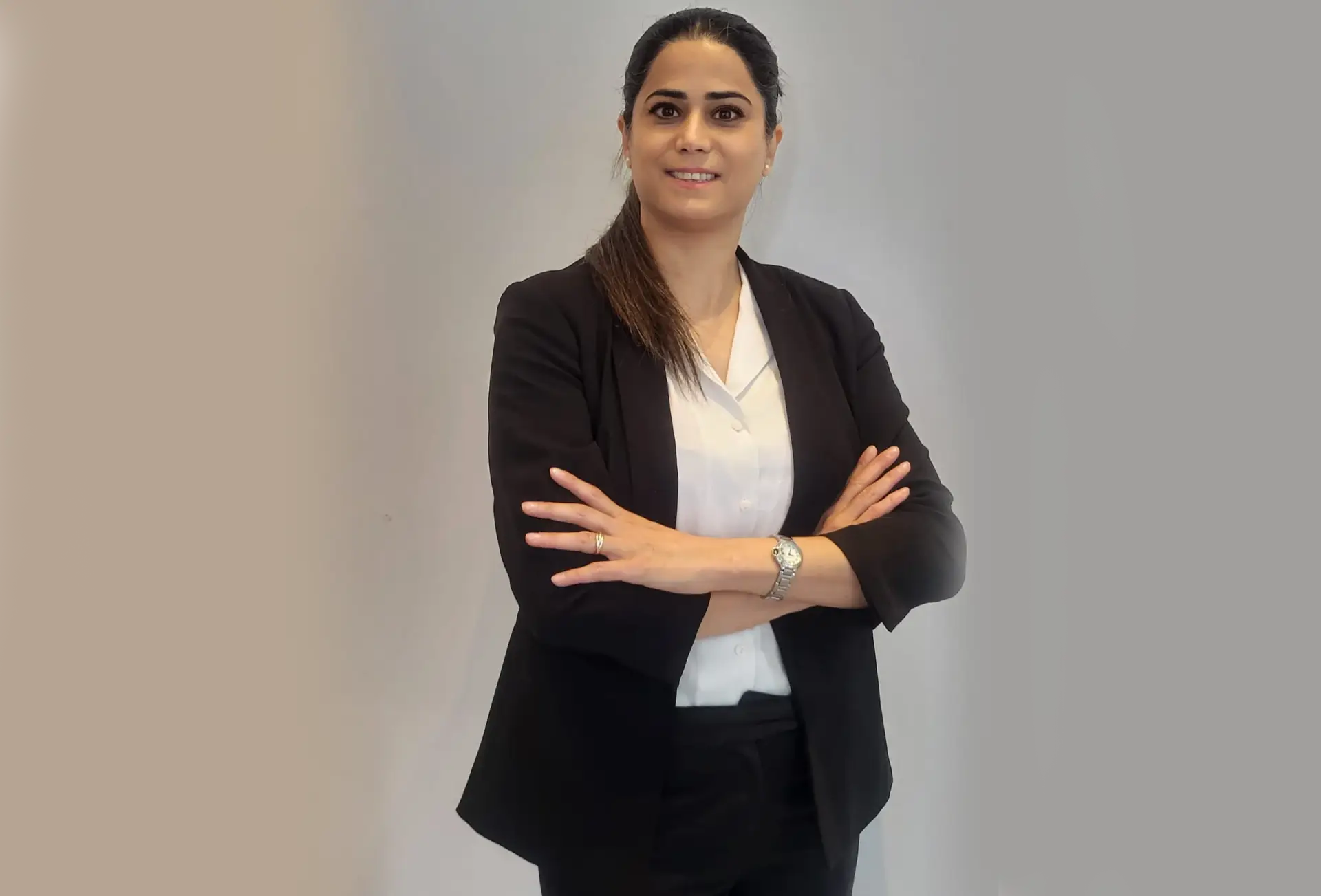
Our Superintendent Pharmacist, responsible for clinical governance and the safe supply of every medicine we dispense — to the same standard as an in-person pharmacy consultation.
Registered with the GMC and GPhC · every order checked by a real clinician, never an algorithm.
Malaria prevention questions, answered
Do I need antimalarials for every international trip?
How far in advance should I order?
Is the consultation completely confidential?
Will I definitely be prescribed antimalarials?
Are the medicines genuine UK-licensed products?
What if I am travelling to several countries with different risk levels?
How it works
From first click to your doorstep in four simple steps.
Choose your treatment
Tell us what you need help with and start your confidential consultation.
Online consultation
Answer a short medical questionnaire — it takes in just a few minutes.
Prescriber review
A UK prescriber reviews your answers and approves treatment only if it is safe and suitable.
Discreet delivery
Your treatment arrives fast in plain packaging — or collect from our Stratford pharmacy.
Ready to start your malaria prevention consultation?
Free confidential consultation · reviewed by UK prescribers · discreet next-day delivery